
Breathing techniques to reduce anxiety | Safe and Sound
Anxiety is a common psychological state, especially in today's stressful world. Fortunately, breathing can be key to helping you regain calm and control your emotions. In this article, join Safe and Sound's psychology experts to explore how to control your breathing to reduce anxiety, effective breathing techniques, and how to integrate them into your daily life. Let's begin our journey to mental health care starting with your breath!
Ngo Thi Sang | Master of Educational Psychology – Applied to Safe and Sound Mental Health Care
Institute of Applied Medical Technology
1. Understanding the connection between breathing and anxiety
The connection between breathing and anxiety
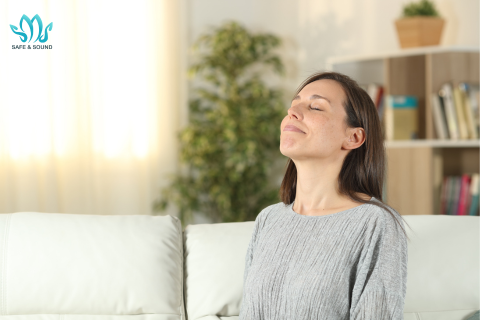
Breathing is not just a biological function, but also a gateway to regulating emotions. When anxiety arises, breathing often changes in the body's natural response: becoming rapid, shallow, and irregular. This activates the sympathetic nervous system, increasing stress hormones such as cortisol and adrenaline.
Psychologists say that rapid, shallow breathing doesn't supply enough oxygen to the body, causing dizziness, headaches, shortness of breath, and increased stress levels. At the same time, uncontrolled breathing increases heart rate and blood pressure, putting the body into a "fight or flight" state. This creates a vicious cycle, exacerbating anxiety.
Conversely, regulating your breathing can activate the parasympathetic nervous system – the system responsible for calming the body and restoring it to a state of balance. Deep, even breathing helps lower heart rate, stabilize blood pressure, and reduce the production of stress hormones.
Mindfulness of breathing is the first step in managing anxiety. According to psychologists, by focusing on your breath, you not only calm your body but also redirect your mind away from anxious thoughts, helping you to feel calmer and more relaxed.
2. Benefits of breath control
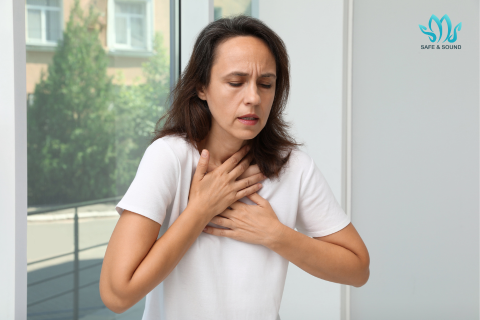
Breathing exercises help relieve stress instantly.
- Instant stress relief: Psychologists share that controlling your breathing helps you adjust your mental state quickly when facing pressure. Deep breathing activates the parasympathetic nervous system, putting the body into a relaxed state.
- Improved sleep: Regular breathing exercises not only reduce stress and fatigue but also calm the mind, making it easier to fall asleep, especially in cases of insomnia caused by anxiety.
- Enhanced concentration: Slow, controlled breathing helps reduce distractions from negative thoughts, bringing you back to the present moment. This is especially helpful when you need high concentration for work or study.
- Supports cardiovascular health: Psychologists say that slowing down your breathing has a positive impact on heart rate and blood pressure, helping to reduce the risk of cardiovascular diseases caused by prolonged stress.
- Improved mental health: In addition to reducing anxiety, controlled breathing promotes feelings of peace and happiness by lowering stress hormones and increasing happy hormones like serotonin.
- Enhance your ability to face challenges: Controlling your breathing not only helps you stay calm during stressful times but also builds confidence, helping you handle difficult situations better in the future.
3. Effective breathing control techniques
3.1. Diaphragmatic Breathing Technique
How to do it:
- Sit in a chair or lie on your back in a comfortable position, keeping your back straight.
- Place one hand on your chest and the other on your stomach to feel the rising and falling movement of your chest and abdomen.
- Take a deep breath through your nose, feeling the air move down to your abdomen, your belly expanding while your chest remains relatively still.
- Exhale slowly through your mouth, slightly pursing your lips as if whistling. Feel your stomach completely flatten.
- Repeat for 5–10 minutes each day.
Effects: Helps relax the nervous system, promotes a more relaxed state of mind, improves oxygen absorption, and reduces heart rate.
3.2. The 4-7-8 Breathing Technique
How to do it:
- Sit in a comfortable position, keeping your back straight.
- Inhale through your nose for 4 seconds, focusing on the flow of air into your body.
- Hold your breath for 7 seconds, imagining the breath spreading throughout your body.
- Exhale slowly through your mouth for 8 seconds, allowing the air to escape completely, creating a soft sound.
- Repeat at least 4 cycles, gradually increasing the number as you get used to it.
Effects: Reduces anxiety, improves mood and sleep, and promotes deep relaxation.
3.3. Box Breathing Technique
How to do it:
- Sit in a quiet position, with your back straight and your body relaxed.
- Inhale through your nose for 4 seconds, feeling the air fill your lungs.
- Hold your breath for 4 seconds, while keeping your body relaxed.
- Exhale slowly through your mouth for 4 seconds, releasing all the air.
- Repeat for 5–10 minutes or until the tension subsides.
Benefits: According to psychologists, this technique helps balance the mind, improve concentration, and effectively manage stress.

4. Important notes when practicing breath control to reduce anxiety
- Patience and consistent practice are key. Psychologists say that breathing control techniques take time to show results. Don't be discouraged if you don't see a difference immediately. Make it a daily habit; just 5-10 minutes at a time, and you'll gradually notice a significant improvement in your mood and health.
- Avoid forcing yourself. Let your breathing become a natural part of your body. If you feel stressed while practicing, mental health professionals recommend stopping, taking deep, natural breaths, and relaxing. Focus on the sensations in your body, rather than overemphasizing doing each step correctly.
- Listen to your body. Not every technique is right for everyone. If a method makes you uncomfortable or uneasy, try a different approach. Always listen to your body's signals to adjust your technique accordingly.
- Combine it with a healthy lifestyle. Psychologists say that breath control will be more effective if you combine it with other healthy habits such as:
- Balanced diet: Avoid foods high in caffeine or sugar, which can cause stress and irregular breathing.
- Exercise regularly: Gentle exercises like yoga or walking help regulate breathing.
- Get enough rest: Adequate and quality sleep allows the nervous system to recover, thereby supporting more effective anxiety management.
- Combine with complementary therapies: If you want to enhance the effect, try incorporating therapies such as meditation, music therapy, or using relaxing essential oils. According to psychologists, these methods can help calm the mind and support easier breath control.
- Seek professional help when necessary. If your anxiety doesn't improve or you're having trouble with the techniques, seek guidance from a psychologist or psychiatrist for more detailed information.
.png)
Safe and Sound Clinic - Psychological Support and Family Health
With a team of experienced doctors and experts, Safe and Sound Clinic is a pioneer in providing comprehensive healthcare for you and your family, offering services that cover both medical and psychological care.
"Early Prevention—Timely Support—Long-Term Companion."
If you suspect or encounter any physical or mental health issues, please contact HOTLINE 0964 778 911 (phone/Zalo, 24/7) for prompt assistance and support!
HOW TO MAKE AN APPOINTMENT
You can schedule an online or in-person consultation with our experts:
- At SnS Clinic - IMT Institute
- Or download and schedule a consultation through the Safe and Sound app to manage and track your appointments anytime, anywhere.
Safe and Sound (SnS)—a part of the Institute of Medical Technology (IMT)

See more:
Distinguishing between stress and anxiety disorders with a psychologist.
